

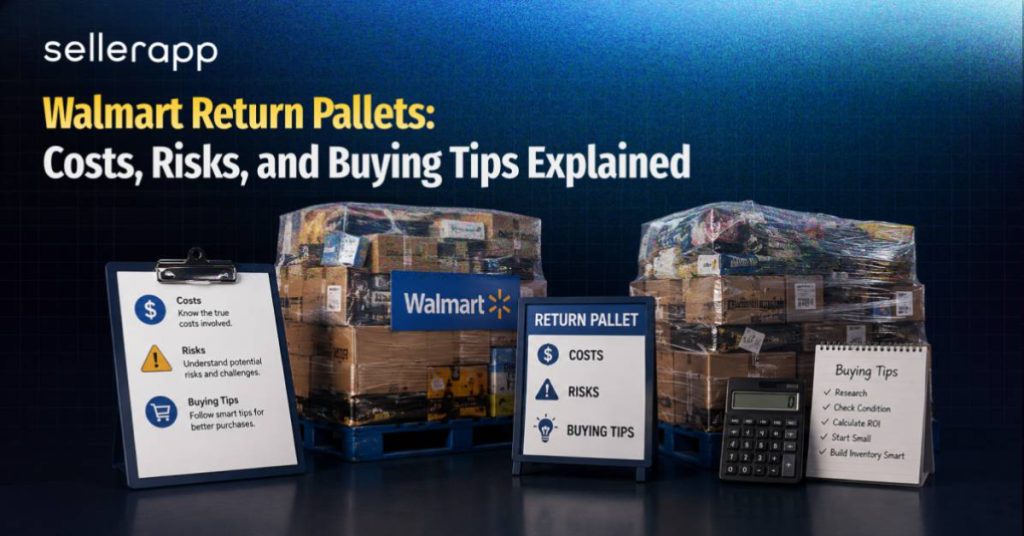
Walmart liquidation pallets are bulk lots of returned, overstock, and shelf-pull inventory sold through marketplaces like B-Stock, Walmart Liquidation Auctions, and Direct Liquidation. Buyers purchase Walmart return pallets, truckloads, and wholesale lots at discounted prices for resale across Amazon, eBay, Facebook Marketplace, bin stores, and flea markets.
For resellers, Walmart liquidation can create real profit opportunities. But after working with hundreds of Walmart Marketplace sellers at SellerApp, we kept seeing the same pattern repeat itself in a way that surprised even us. The sellers losing money were not buying bad pallets.
They were buying reasonable inventory, receiving it, sorting it, and then listing it the same way everyone else does: a generic title, a price based on gut feel, no keyword strategy, no Buy Box awareness. On Walmart Marketplace, that approach does not just hurt performance. It makes inventory effectively invisible.
We had one seller come to us frustrated after two consecutive pallets that “did not sell.” When we pulled their listing data, the products had impressions close to zero. The inventory was fine. Demand existed. Nobody was finding the listings.
That is the part of Walmart liquidation no sourcing guide covers, because most sourcing guides stop at the loading dock.
This guide does not. It covers how Walmart return pallets actually work, where buyers lose money on the sourcing side, and what has to happen after delivery for any of it to be worth it.
What Are Walmart Return Pallets?
Walmart return pallets are bulk inventory lots made up of products removed from Walmart’s regular retail flow and sold through liquidation channels. These pallets can include customer returns, excess inventory, shelf pulls, discontinued products, seasonal merchandise, and occasionally unopened overstock items.
Product condition varies heavily, sometimes within the same pallet. One box may contain brand-new inventory in factory packaging, while another may include damaged products, missing accessories, opened electronics, or items that require testing before resale.
What many first-time buyers do not realize is that liquidation inventory is rarely sorted for reseller convenience. Mixed pallets often combine fast-moving products with low-demand inventory that retailers could not move through traditional clearance channels. Experienced buyers usually spend less time looking at the listed MSRP and more time evaluating category demand, return rates, and how much labor the inventory will require after delivery.
Another reality many beginners discover late is that not all “high-value” inventory inside manifests is equally recoverable. Certain products may be incomplete, difficult to test, expensive to ship individually, or simply too slow-moving to justify the storage space.
For Walmart, liquidation solves a logistics problem. Holding returned or aging inventory often costs more than clearing warehouse space and recovering a portion of the product value through liquidation marketplaces.
For resellers who understand those risks, Walmart return pallets can create access to inventory at prices far below traditional wholesale channels.
Walmart Liquidation Pallets for Sale
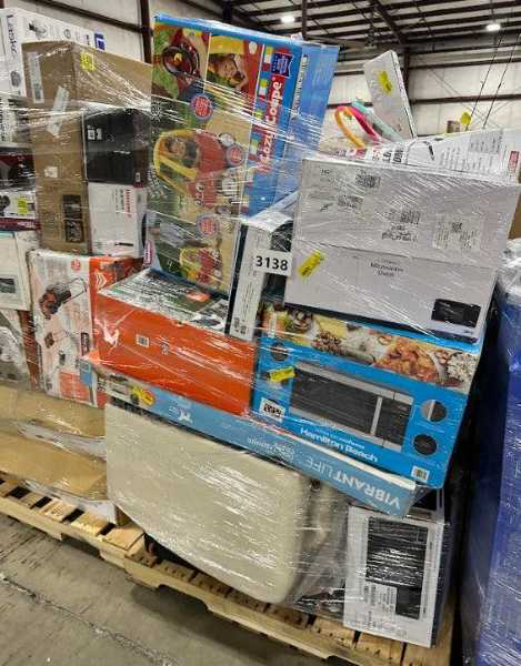
Walmart liquidation pallets for sale are available through several verified marketplaces that source inventory directly from Walmart’s reverse logistics network. Unlike third-party resellers, these platforms provide direct access to returned, overstock, and shelf-pull inventory at wholesale prices.
Buyers looking for Walmart liquidation pallets for sale should compare manifest availability, shipping costs, and inventory categories before committing to a purchase. A pallet listed at a low price does not always represent the best value once freight and potential losses are calculated.
The most active platforms for Walmart liquidation pallets for sale include Walmart Liquidation Auctions, B-Stock, and Direct Liquidation. Each platform serves different buyer types depending on experience level, budget, and inventory goals.
| Expense Category | Small Mixed Pallet | Electronics Pallet | Partial Truckload |
| Initial Pallet Price | $250–$500 | $800–$2,500 | $4,000–$12,000 |
| Freight & Delivery | $150–$400 | $250–$700 | $1,500–$5,000 |
| Product Testing / Sorting | Low | High | Very High |
| Unsellable Inventory Loss | 10–25% | 15–40% | 15–35% |
| Storage Requirements | Minimal | Moderate | Significant |
| Typical Buyer Type | Beginners | Intermediate Resellers | High-Volume Buyers |
What’s Actually Inside a Walmart Liquidation Pallet?
The contents of a liquidation pallet depend heavily on category and inventory source. A mixed merchandise pallet could include:
- Phone accessories
- Small kitchen appliances
- Home décor products
- Toys
- Clothing
- Beauty products
- Seasonal inventory
- Electronics accessories
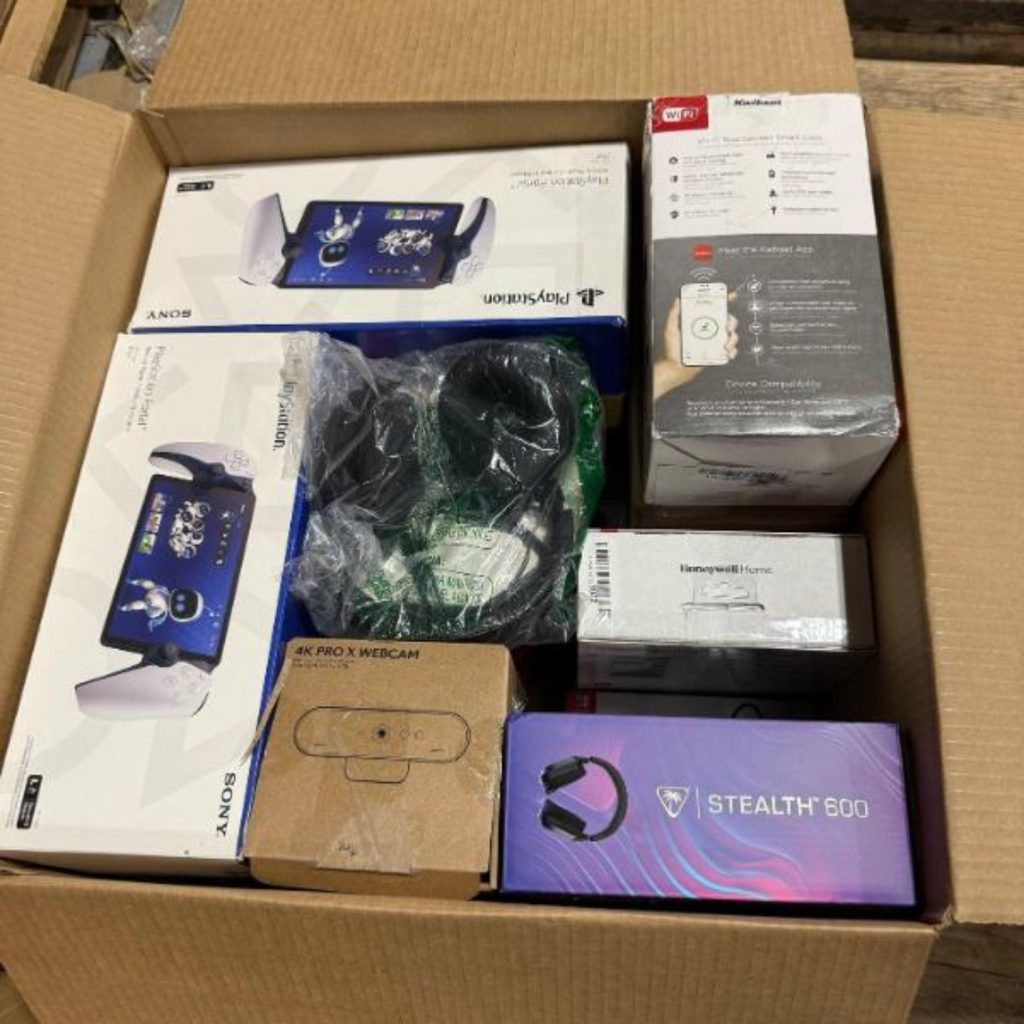
A category-specific pallet creates more consistency. Electronics pallets, for example, may focus on gaming products, headphones, routers, accessories, and small gadgets.
Some Walmart return pallets come with manifests that provide product lists and estimated values. Others provide limited information, which increases uncertainty for buyers.
Inventory quality also changes from pallet to pallet. Two buyers purchasing similar pallets may receive completely different resale opportunities.
Returns vs Overstock vs Shelf Pulls: What’s the Difference?
Customer returns generally carry greater risk because products can arrive used, incomplete, or damaged.
Overstock products often create more predictable resale opportunities because inventory may still be factory sealed. Shelf pulls usually fall somewhere in between. Products can remain fully functional while packaging shows signs of retail handling.
| Inventory Type | Meaning | Condition | Risk Level |
| Customer Returns | Returned after purchase | Mixed | High |
| Overstock | Unsold excess inventory | Usually new | Low |
| Shelf Pulls | Removed from store shelves | Good | Medium |
Why Does Walmart Liquidate Its Inventory?
For large retailers, holding slow-moving inventory costs more than offloading it at reduced prices. Seasonal products become less relevant over time. New inventory constantly replaces older inventory. Liquidation becomes a practical solution.
Common reasons for liquidation include:
- Customer returns
- Excess inventory
- Seasonal changes
- Packaging updates
- Product discontinuation
- Warehouse optimization
For retailers, liquidation recovers part of the product value while maintaining inventory movement.
Liquidation Terms You Need to Know Before You Buy
Many first-time buyers jump into liquidation marketplaces and immediately run into unfamiliar terminology. Misreading those terms directly affects what you pay and what you can realistically resell. A pallet that looks inexpensive at first glance can become a poor purchase if you misread inventory details.
Understanding these terms helps buyers evaluate Walmart return pallets more accurately and avoid assumptions during bidding or direct purchases.
| Term | What It Means | Why It Matters |
| Manifest | A detailed inventory list showing products expected inside a pallet | Helps estimate resale value before purchase |
| Unmanifested Inventory | Inventory sold without a complete item list | Lower visibility creates higher risk |
| Lot | A grouped collection of products sold together | A lot may contain one pallet or multiple pallets |
| Shelf Pulls | Products removed from store shelves that may not have been previously sold | Usually lower risk than customer returns |
| Overstock | Unsold inventory that exceeded retail demand | Often arrives in better condition |
| Customer Returns | Products returned after purchase | Product condition can vary significantly |
| Truckload | Large shipments consisting of multiple pallets | Typically used by bulk buyers and larger resellers |
| MSRP | Manufacturer Suggested Retail Price | Helps compare retail value against purchase cost |
| Salvage Inventory | Inventory with heavy damage or limited resale value | Carries a greater risk and may require repair or part recovery |
Buyers who understand inventory language usually make better pricing decisions because they are evaluating the pallet itself rather than simply reacting to a low purchase price.
Where to Buy Walmart Return Pallets in 2026
Platforms differ meaningfully. Auction models suit experienced buyers comfortable with bidding pressure, while fixed-price options give beginners more control. Local warehouses add a third path for buyers who want to inspect inventory before committing.
Online liquidation marketplaces offer the widest inventory selection and let buyers review manifests, compare listings, and estimate resale value before purchasing. The tradeoff is that shipping costs and seller reputation require careful vetting before any bid or purchase is placed.
Local liquidation warehouses let buyers inspect inventory before committing, which online purchases rarely allow. Freight costs on pallets can add significantly to total investment, so local pickup eliminates or reduces that expense. Inventory selection, however, can vary significantly across locations.
The three most active platforms for Walmart liquidation inventory are:
| Platform | Inventory Type | Best For | Manifest Available | Shipping |
| Walmart Liquidation Auctions | Returns and overstock | Direct sourcing | Yes | Freight |
| B-Stock | Auction inventory | Bulk buyers | Yes | Nationwide |
| Direct Liquidation | Fixed-price pallets | Beginners | Yes | Nationwide |
What Categories of Products Are Available on Walmart Pallets?
The products inside Walmart return pallets vary depending on inventory source, season, and marketplace listings. Some pallets focus on one category while others contain mixed merchandise across multiple product groups.
A pallet filled with expensive products does not automatically translate into stronger profits. Demand, return rates, testing requirements, and shipping costs matter just as much.
Some categories consistently attract reseller attention because they balance resale demand and inventory movement.
| Category | Resale Demand | Risk Level | Profit Potential |
| Electronics | High | High | High |
| Home Goods | Medium | Low | Medium |
| Toys | Medium | Medium | Medium |
| Apparel | Medium | Medium | Medium |
| Small Appliances | High | Medium | High |
Seasonal products can also create opportunities if timing works in your favor. Holiday décor after peak season may look inexpensive, but delayed resale timing can affect profitability.
Manifested vs Unmanifested Pallets: Which Should You Buy?
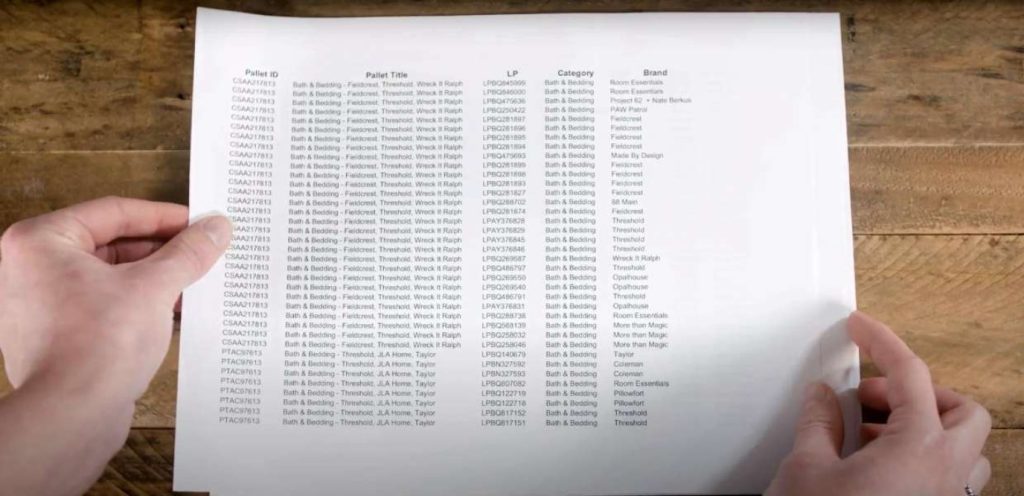
One of the biggest decisions buyers face when purchasing Walmart return pallets is choosing between manifested and unmanifested inventory.
Manifested pallets provide visibility before purchase. Buyers receive a product list showing estimated quantities, categories, retail values, and condition notes. This information helps create a better understanding of potential resale value before spending money.
Unmanifested inventory works differently. Buyers receive limited product information and often purchase inventory based on broad category descriptions rather than item-level details.
Unmanifested pallets occasionally surface high-value finds, but the risk of receiving unsellable inventory is proportionally higher. Lower purchase prices can look attractive, but reduced visibility means buyers accept greater uncertainty.
How to Buy a Walmart Liquidation Pallet: Step-by-Step
Liquidation buying works best when you follow a structured approach. Jumping into purchases without reviewing inventory details usually creates unnecessary risk.
Step 1: Choose the right liquidation marketplace
Start by selecting a platform that aligns with your buying goals and budget. Some marketplaces focus on auctions while others offer fixed-price inventory.
When comparing platforms, consider:
- Inventory categories available
- Manifest access
- Shipping options
- Minimum purchase requirements
- Buyer reviews and reputation
Step 2: Review the pallet details carefully
Do not focus only on the listed retail value. A pallet with a high estimated value does not automatically translate into stronger profit potential.
Pay attention to:
- Product categories
- Manifest details
- Estimated conditions
- Quantity breakdowns
- Shipping information
Step 3: Calculate your actual investment
Many buyers calculate only the pallet price and ignore additional expenses. That mistake can affect profitability quickly.
Include:
- Freight costs
- Packaging expenses
- Storage requirements
- Marketplace fees
- Product testing costs
Step 4: Plan your resale strategy before purchasing
Before you buy Walmart return pallets, identify where products will actually be sold. Some products perform better on Amazon while others move faster through Facebook Marketplace, eBay, flea markets, or local stores.
What SellerApp Data Shows About Walmart Liquidation Sellers
After working with hundreds of Walmart Marketplace sellers, including those sourcing through liquidation, a few patterns show up consistently that most buying guides never mention.
High-MSRP pallets produce the most disappointed sellers. When sellers bring liquidation inventory onto Walmart Marketplace, the ones who struggle most are almost always holding categories that look valuable on paper, such as electronics, gaming accessories, and smart home devices.
The issue isn’t the product. It’s these categories carry the heaviest marketplace competition, the most aggressive price suppression, and the highest return rates. A $150 manifest item competing against 40 other sellers rarely performs the way the pallet math suggested.
Velocity kills more businesses than bad pallets do. Sellers who break even or lose money on liquidation inventory usually aren’t holding terrible products. They’re holding decent products priced too high that sit for 45, 60, 90 days.
The carrying cost, storage, tied-up capital, and platform fees quietly erase whatever margin existed. The sellers who stay profitable set a price to move within two to three weeks and reinvest immediately.
The winning categories are rarely the exciting ones. Across SellerApp’s seller base, small appliances, home goods, and everyday household products consistently outperform the flashier electronics pallets when it comes to actual sell-through rates. Lower competition, more forgiving condition requirements, and buyers who aren’t cross-checking five competing listings before purchasing.
How to Win Walmart Pallet Auctions Without Overpaying
Winning a pallet feels good. Winning one at a price that leaves no room for damaged goods or slow sales does not.
Time limits and competing bids can push buyers into spending more than originally planned.
A better approach is to set a maximum budget before bidding begins. Review expected resale value, estimated inventory quality, and shipping costs before making decisions. Once the numbers no longer make financial sense, stop bidding.
Walmart Liquidation Truckloads vs Single Pallets: Which Makes More Sense?
The right choice between a single pallet and a truckload depends on where you are in the business, not just what’s cheapest per unit.
Many first-time buyers assume larger purchases automatically create better margins, but higher inventory volume also creates greater operational responsibility.
Single pallets generally work better for newer buyers because they involve lower upfront costs and reduced risk. Managing inventory becomes easier, and buyers can understand how liquidation works before committing larger amounts of money.
Truckloads operate differently. Since they contain multiple pallets, buyers often receive better per-unit pricing. However, larger purchases also require:
- More storage space
- Higher startup capital
- Stronger inventory management
- Reliable resale channels
- Additional freight planning
Walmart Wholesale Pallets vs Return Pallets: What’s the Real Difference?
Many buyers confuse Walmart wholesale pallets with return pallets because both involve purchasing products in bulk. The main difference comes down to inventory source and predictability.
Wholesale inventory usually comes directly from suppliers or distributors and often contains new products. Walmart return pallets contain inventory removed from regular retail circulation because of customer returns, shelf pulls, excess inventory, or overstock situations.
| Factor | Walmart Wholesale Pallets | Walmart Return Pallets |
| Inventory Source | Suppliers and distributors | Returns, shelf pulls, overstock inventory |
| Product Condition | Mostly new | Mixed condition |
| Purchase Cost | Higher | Lower |
| Risk Level | Lower | Higher |
| Inventory Consistency | More predictable | Less predictable |
| Profit Potential | Stable margins | Potentially higher margins |
| Inspection Requirements | Minimal | Usually required |
| Best For | Buyers seeking consistency | Experienced resellers seeking higher profit potential |
Neither option is automatically better than the other. Buyers with lower risk tolerance often prefer wholesale inventory because of its predictability. Buyers looking for stronger upside may lean toward Walmart return pallets, provided they understand how to evaluate inventory quality before purchasing.
How Much Do Walmart Liquidation Pallets Cost?
The cost of Walmart return pallets varies based on category, condition, pallet size, and demand levels.
Mixed merchandise pallets may begin at a few hundred dollars, while electronics inventory can cost significantly more because of higher retail values. Larger purchases, such as Walmart liquidation truckloads, require a greater initial investment.
Several factors influence pricing:
- Product category
- Product condition
- Manifest quality
- Inventory volume
- Shipping distance
- Seasonal demand
The actual investment often changes after shipping, operational costs, and inventory losses are included.
Are Walmart Return Pallets Worth It?
Walmart return pallets can be worth buying when approached with realistic expectations and a clear resale strategy. Buyers who research inventory categories, review manifests carefully, and calculate total costs before purchasing tend to find consistent value.
The buyers who struggle are usually those who focus only on purchase price without accounting for shipping, losses, and resale demand. A pallet priced at $300 with $150 in freight and 20% unsellable inventory looks very different on paper than it does after the numbers are worked through.
Profitability also depends heavily on where products are sold. The same inventory can perform very differently on Amazon compared to a flea market or bin store. Matching inventory type to the right resale channel is often what separates profitable buyers from those who break even.
For resellers willing to learn inventory behavior and build consistent sourcing habits, Walmart return pallets represent a genuine business opportunity rather than a gamble.
Biggest Risks When Buying Walmart Liquidation Pallets
Understanding risk before purchasing inventory creates stronger buying decisions and reduces expensive mistakes. Common challenges include:
- Damaged products
- Missing accessories or components
- Inaccurate manifests
- Slow-moving inventory
- Unexpected freight costs
- Product testing requirements
Experienced buyers price in a loss rate from the start typically assuming a portion of any pallet will be unsellable. A few damaged items inside a pallet may not create major problems if overall margins remain healthy.
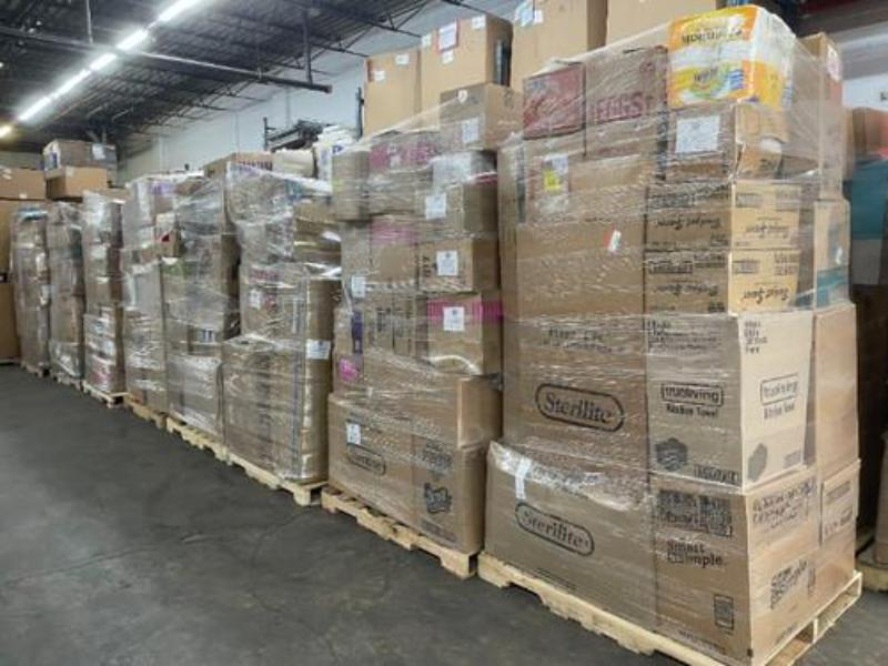
Can Beginners Buy Walmart Return Pallets?
The key is starting with realistic expectations rather than chasing quick profits. Many experienced resellers recommend beginning with smaller purchases because they allow buyers to understand inventory behavior before investing larger amounts.
New buyers usually benefit from:
- Manifested inventory
- Lower-cost categories
- Smaller pallet quantities
- Products with predictable demand
Most successful resellers started with a single pallet, learned how that category moved, and scaled only after margins were proven.
Walmart Return Pallets Near Me
Buyers searching for Walmart return pallets near them are usually trying to reduce freight costs and inspect inventory before committing to a purchase.
Local purchasing opportunities may include regional liquidation warehouses, local inventory resellers, auction facilities, and wholesale distribution centers.
Buying locally creates several practical advantages. Freight costs on pallets can add significantly to total investment, sometimes making a cheap pallet expensive once shipping is included. Local pickup eliminates or reduces that cost. Buyers can also inspect inventory condition before purchase, which is rarely possible when ordering online.
Finding local options requires some research. Searching for liquidation warehouses, pallet auctions, or wholesale liquidators in your area is a starting point. Many regional warehouses source directly from national retailers including Walmart and carry rotating inventory across multiple categories.
Before purchasing locally, ask about inspection policies, product condition standards, manifest availability, and pickup requirements. Not every local warehouse offers the same level of transparency as online platforms, so asking the right questions upfront protects your investment.
Does Walmart Give Away Pallets?
Walmart does not give away pallets directly to individual buyers. Inventory moves through official liquidation channels rather than being distributed for free.
Wooden shipping pallets are a separate matter. Some Walmart store locations allow local businesses or individuals to take empty wooden pallets, but this varies by store and availability. These are standard wooden shipping platforms, not product pallets containing retail inventory.
Buyers looking for actual Walmart return pallets with sellable inventory need to go through verified liquidation marketplaces or local liquidation warehouses. There is no direct giveaway program for retail inventory pallets.
Key Takeaways Before You Buy Your First Walmart Pallet
Walmart return pallets reward buyers who treat them as a sourcing discipline rather than a shortcut. The buyers who consistently profit are not the ones who find the cheapest pallet. They are the ones who understand what is inside it, what it costs to move, and where it will actually sell. Start with manifested inventory, keep early purchases small, and build resale channels before scaling volume.
Once inventory is moving, the next challenge is making it visible. Ranking on Walmart’s marketplace requires the right keywords, optimized listings, and a clear picture of what your advertising spend is actually doing. That is where most resellers hit a ceiling, not sourcing, but selling.
SellerApp’s All-in-one Walmart Intelligent Suite gives sellers the data to break through that ceiling, from keyword tracking and product research to listing optimization and ad performance. Whether you are listing your first pallet or scaling an established operation, explore SellerApp’s Walmart suite and see what sharper data can do for your margins.
FAQ
Walmart return pallets for sale can create profitable opportunities, but results depend heavily on inventory quality and resale strategy. Some Walmart return pallets for sale contain products with strong market demand, while others may include damaged or slower-moving inventory. Buyers evaluating Walmart return pallets for sale should calculate shipping costs, expected losses, and resale margins. Many experienced resellers treat Walmart return pallets for sale as long-term inventory sourcing rather than quick profit opportunities. Choosing the right Walmart return pallets for sale often matters more than simply choosing the cheapest option.
People searching where to buy Walmart return pallets usually have several options available. Buyers can purchase inventory through liquidation marketplaces, local liquidation warehouses, and auction-based platforms. When deciding where to buy Walmart return pallets, compare manifest visibility, shipping costs, and inventory quality before making a purchase. For buyers exploring where to buy Walmart return pallets, reviewing seller reputation can also help reduce unnecessary risk.
Most Walmart pallet auctions allow buyers to bid on liquidation inventory over a fixed period. Buyers review inventory information, estimate resale potential, and place bids before the auction closes. Successful participation in Walmart pallet auctions usually requires setting spending limits before bidding begins. New buyers entering Walmart pallet auctions should include shipping expenses and inventory risk in their calculations.
The answer depends on experience level and inventory goals. Walmart wholesale pallets generally create more predictable purchasing experiences because products are often new and inventory quality remains more consistent. Walmart liquidation truckloads create larger inventory opportunities and may lower per-unit costs, but they also require more storage and stronger cash flow.
Buyers comparing Walmart wholesale pallets and Walmart liquidation truckloads should consider available space, startup capital, and resale channels. Larger Walmart liquidation truckloads may suit established resellers, while Walmart wholesale pallets often appeal to buyers seeking greater inventory consistency. Some experienced buyers eventually move from Walmart wholesale pallets into larger Walmart liquidation truckloads as operations scale.
Walmart pallet liquidation refers to the process of selling returned, overstock, shelf-pull, and excess inventory through liquidation channels rather than regular retail stores. Through Walmart pallet liquidation, buyers can access inventory at discounted prices and resell products through online or local channels.
Many Walmart liquidation pallets become available through Walmart pallet liquidation systems that move excess inventory efficiently. Buyers researching Walmart pallet liquidation should understand inventory conditions before purchasing. Successful Walmart pallet liquidation purchases often depend on manifest quality, resale demand, and operational planning.